What should happen after a missed date check-in?
A calm response plan for missed date check-ins: verify, contact, coordinate, escalate when appropriate, and avoid putting trusted contacts at risk.
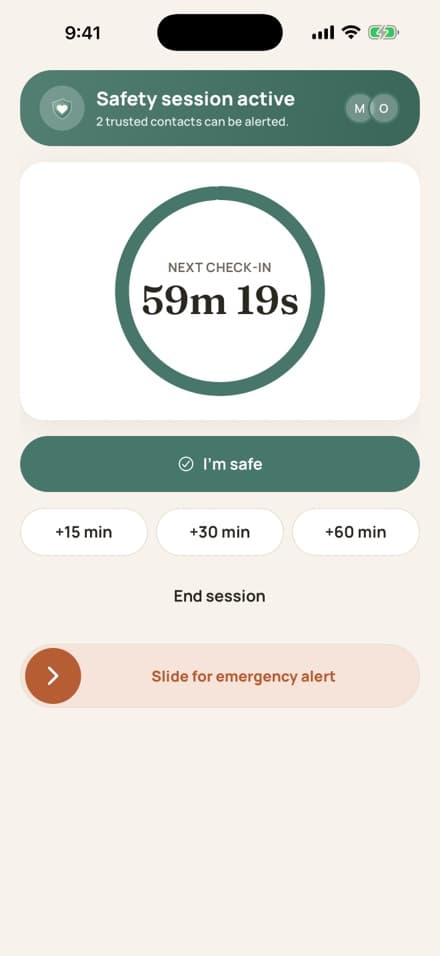
A missed check-in is a signal to follow the plan, not proof that something harmful has happened. Phones die, plans change, and people lose track of time. The response should be calm, prompt, and based on the circumstances you agreed on beforehand.
Before the date: define what missed means
Choose a due time and a short grace period. Decide who is primary, who is backup, and which details they will have. If there are known concerns, build a more specific plan with a qualified advocate rather than relying on a generic checklist.
Step 1: try the agreed contact methods
Send the neutral message you agreed on and call. Avoid messages that could increase risk if another person can see the phone. A code word only works when both people know exactly what response it triggers.
Step 2: coordinate the circle
Check whether another trusted contact has heard from the person. Keep one person responsible for coordination so calls and decisions do not conflict. Record factual information such as the last response time, venue, and known plan changes.
Step 3: use the escalation plan
Consider the whole situation: an explicit help signal, a concerning message, unexpected movement, known threats, or a prolonged loss of contact can change the urgency. In an emergency that requires immediate police, fire, or medical assistance, call 911. Be ready to provide the location, phone number, nature of the emergency, and available identifying details.
What a trusted contact should not do
Do not confront the date, enter a private location, or put yourself in danger. Do not publish personal information online. Share facts with the people or responders involved in the agreed plan and preserve the privacy of everyone else.
How DateSafe supports the plan
DateSafe schedules check-ins during an active safety session. If a check-in is missed, the system prompts the user and can progress through a notification and circle-alert ladder. Delivery can still be affected by connectivity, notification settings, carrier service, or location permissions, so DateSafe should support a human plan rather than replace one.
Sources and further help
DateSafe is not an emergency service. These independent resources provide additional guidance, and 911 should be called for immediate emergency assistance in the United States.
- How to help your friend or roommate, love is respect
- Personal Safety Planning Tool, National Domestic Violence Hotline
- Calling 911, National 911 Program