How to share your location safely on a date
How to use temporary location sharing for a date without turning it into permanent surveillance, including consent, scope, expiration, and backup plans.
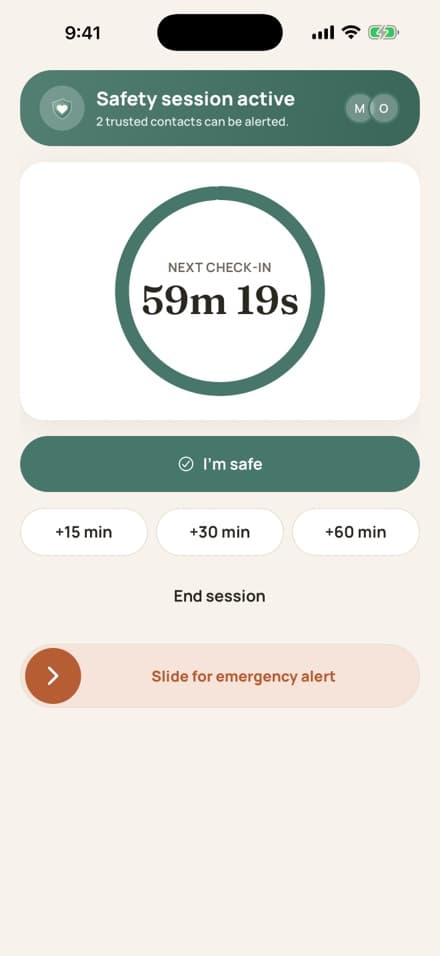
Location sharing can support a date safety plan when it is voluntary, limited to people you trust, and designed to end. It should answer a specific question during a specific window, not create permanent access to your movements.
Choose the smallest useful audience
One reliable person may be more useful than a large group that assumes someone else is watching. Tell the person why you are sharing and what you expect them to do. They should not forward the location or use it for another purpose.
Put an end time on it
Tie sharing to the date or active safety session. Close the loop when you are home and confirm that sharing has stopped. Review other apps that may still have location access, especially if you have previously shared indefinitely.
Do not treat the dot as certainty
A location may be stale, imprecise, or missing because of device settings, battery, connectivity, indoor positioning, or disabled permissions. Agree on direct check-ins and an escalation plan that still works when no current location is available.
Protect the other details around the location
A map point plus a profile screenshot, phone number, and private notes can become a large package of sensitive information. Share only what your trusted person needs and keep it out of public group chats or social posts.
How DateSafe limits the window
DateSafe uses location during an active safety session when you have granted permission. Accepted contacts with an eligible private watch link can follow session updates, and alerts may include the latest available location. The live session view stops exposing venue and location after the session ends. You remain responsible for device permissions and can choose not to grant location access.
Sources and further help
DateSafe is not an emergency service. These independent resources provide additional guidance, and 911 should be called for immediate emergency assistance in the United States.
- Tips for Safer Dating: Online and In-Person, RAINN
- Personal Safety Planning Tool, National Domestic Violence Hotline